
Monday
Apr232012

To X-ray or not to X-ray?

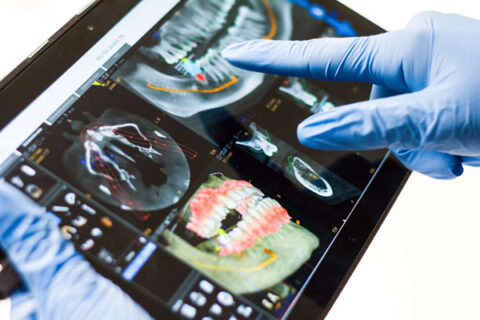
X-rays have been getting a lot of press lately, mainly because of an article published by the American Cancer Society titled “"Dental X-Rays and Risk of Meningioma," summarizing a study that sought to develop a correlation between dental radiographs and brain cancer. This article has many wondering whether dental X-rays are harmful and if the risks outweigh the benefits. So, what’s the real deal?

According to the Academy of General Dentistry (AGD), a professional association of more than 37,000 general dentists dedicated to providing quality dental care and oral health information to the public, “the study's findings are not applicable to modern dentistry because the study was based upon an examination of outdated radiographic techniques, which produced considerably more radiation than patients would be exposed to today.”

Similarly, the American Dental Association issued a statement indicating that the results of the study in question are “unreliable” and holds to its longstanding position that X-rays should continue to be used sparingly as necessary for diagnosis and treatment with the use of protective aprons and thyroid collars to reduce exposure to radiation.

Keep in mind that dental X-rays are valuable aides in detecting potentially serious oral health problems — many which cannot be detected via visual and physical examination — at an early stage. So, don’t let the media hype deter you from getting them.

Following is some information about the benefits of X-rays provided by the ADA:

What are the benefits of a dental radiograph examination?

Because many diseases of the teeth and surrounding tissues cannot be seen when your dentist examines your mouth, an X-ray examination can help reveal:

  • small areas of decay between the teeth or below existing restorations (fillings);
  • infections in the bone;
  • periodontal (gum) disease;
  • abscesses or cysts;
  • developmental abnormalities;
  • some types of tumors.

The amount of radiation that we are exposed to from dental X-rays is very small compared to our daily exposure from things like, cosmic radiation and naturally-occurring radioactive elements (for example, those producing radon).

How often should radiographs be taken?

How often X-rays (radiographs) should be taken depends on your present oral health, your age, your risk for disease, and any signs and symptoms of oral disease you may be experiencing. For example, children may require X-rays more often than adults. This is because their teeth and jaws are still developing. Also their teeth are more likely to be affected by tooth decay than those of adults. Your dentist will review your history, examine your mouth and then decide whether or not you need radiographs.

If you are a new patient, the dentist may recommend radiographs to determine the present status of your oral health and to help identify changes that may occur later. A new set of X-rays may be needed to help your dentist detect any new cavities, determine the status of your gum health or evaluate the growth and development of your teeth. If a previous dentist has any radiographs of you, your new dentist may ask you for copies of them. Ask both dentists to help you with forwarding your X-rays.

If you would like to read more information about dental X-rays, the benefits and risks, visit www.ada.org and discuss with your dentist.

Monday
Apr232012

Healthy Mouth, Healthy Body - Making the Connection

Taking good care of your teeth and gums isn't just about preventing cavities or bad breath.  The mouth is a window into the health of the body.  It can show you if you are not eating foods that are best for you or signal that you may be at risk for a disease.  Diseases that affect the entire body (such as diabetes), may first be noticed because of mouth sores or other oral problems.

The mouth is filled with countless bacteria, some linked to tooth decay and periodontal (gum) disease.  Periodontal disease may be connected with diabetes and cardiovascular disease (heart disease and stroke). 

What can you do:

  • Brush your teeth well twice a day
  • Schedule regular dental appointments
  • Tell your dentist about changes in your overall health
  • If you are pregnant of thinking about becoming pregnant, pay close attention to your gums and teeth


Friday
Dec162011

5 dental symptoms you shouldn’t ignore

We’ve said it many times before: Your mouth is a window to your overall health. So, pay attention. If you notice things aren’t quite right in there, it may signify a bigger problem that warrants investigation. Following are a few common problems you shouldn’t ignore.


Bad Breath

If you simply haven’t brushed today, then bad breath is something you’d expect, of course. But if bad breath persists despite your best oral hygiene efforts, then it could be a clue to a serious health issue.  It could signify periodontal disease, diabetic ketoacidosis, intestinal blockage, throat or lung infection, kidney failure or other life-threatening conditions.


Dry Mouth

It may simply mean that you need to drink more water or be the side effect of a medication you are taking, but persistent dry mouth without obvious explanation could indicate a number of conditions, including Sjögren's syndrome, mumps, HIV/AIDS, diabetes, anemia, cystic fibrosis, rheumatoid arthritis, hypertension, Parkinson's disease or even impending stroke. Chances are whatever’s going on isn’t serious, but isn’t it best to explore the possibilities, especially if you’re experiencing other symptoms as well?


Brittle Teeth and Indigestion

If you’re teeth are cracking and breaking and you regularly find yourself battling heartburn, you could have gastroesophageal reflux disease or GERD.  With this condition, stomach acids travel through the esophagus and back into the mouth, damaging the protective enamel on your teeth. You’ll want to see your dentist about repairing existing damage and your general practitioner about medications to prevent further damage.


Oral Sores

The occasional ulcer or canker sore is no cause for concern, but frequent outbreaks almost always indicate a problem. And these problems can range from something as benign as a vitamin deficiency to conditions as serious as cancer and HIV/AIDS. The best place to start in determining the cause is at your dentist’s office, so if you have recurring sores in your mouth, make an appointment right away.


Worn Teeth and a Headache

These symptoms, when paired together, could mean you’re a nighttime teeth grinder! Some people grind their teeth in their sleep, typically as a response to stress, and they don’t even realize they’re doing it. If teeth-grinding goes unchecked for a long period of time, it could cause serious damage to your teeth. If you think you may be grinding your teeth, talk to your dentist about a simple way to prevent damage … and find ways to relieve stress!


Curtis H. Roy, D.D.S., has served Acadiana residents with a general dentistry and specialty practice since 1970. Find his practice on the Web at www.drcurtisroyandassociates.com, follow him on Facebook and Twitter, visit the office at 3703 Johnston St., Lafayette, or call 981.9811.

Tuesday
Dec062011

Dental health problem more that meets the eye?

Researchers at the Mayo Clinic — one of our nation’s most trusted sources of medical research and health information — say poor oral health can be one of the first indicators of disease elsewhere in the body.

According to a report released by the clinic in February of 2009, common symptoms of HIV/AIDS include ulcers, dry mouth and mucosal lesions, and a weakening of the bone that supports your teeth could indicate osteoporosis. Other conditions that could make their presence known in your mouth before you’ve detected other symptoms include certain cancers, syphilis and gonorrhea.

In addition, the Mayo Clinic reports, poor dental health may even be at the root of or contribute to other health problems that would seem unrelated to dental health. This is because infections of the mouth such as gum disease can let bacteria enter your bloodstream and wreak havoc elsewhere in your body, they say.

Gum disease has been linked to premature birth among pregnant women, for instance. And poor oral health can make it more difficult to control diabetes. There is even evidence linking poor oral health to cardiovascular disease, including clogged arteries and stroke, although further study is needed to confirm this suspicion.

This is useful information that sends two important messages to each and every one of us: 1. Pay attention; and 2.) Use prevention.


Pay attention.

If anything in your mouth looks, feels or smells unusual, see your dentist right away. Toothaches, mouth pain, bleeding gums, oral lesions and persistent bad breath are not normal. Symptoms such as these indicate infection and should be treated by a professional.

Dentists and dental hygienists can identify infection quickly and easily, and with prompt treatment they can usually correct problems with minimal invasion and discomfort. They can refer you to a periodontist for more advanced problems; and, if they detect oral cancer or other conditions such as diabetes, they can refer you to the appropriate specialists.

Also, an annual physical examination by your family physician is always a good idea, but this is especially true if you have dental health problems.


Use prevention.

Prevention is your best defense. It saves you time, money, discomfort and pain. Most importantly, it could save your life. Brush your teeth at least twice daily, and floss at least once daily. All it takes is five minutes each day and the cost of a brush, paste and floss. Anyone can do it, regardless of schedule or budget, and it’s the most important factor in maintaining oral health.

Furthermore, make two hygiene visits to your dental office per year. You’ll get your teeth cleaned, perhaps some x-rays and have your mouth inspected for signs of disease and decay. It takes about two hours per year. Most insurances cover 100 percent of these visits, and even for those who are uninsured, these are generally affordable … more so than treatments to correct dental health problems, at any rate.


We are about to start a new year. If you are not already on top of your dental health, make this the year you turn that around. Many of our goals and aspirations are difficult to achieve, but this one is easy. You can do it!


Curtis H. Roy, D.D.S., has served Acadiana residents with a general dentistry and specialty practice since 1970. Find his practice on the Web at www.drcurtisroyandassociates.com, visit the office at 3703 Johnston St., Lafayette, or call 981.9811.


Tuesday
Dec062011

Dental health problem more that meets the eye?

Researchers at the Mayo Clinic — one of our nation’s most trusted sources of medical research and health information — say poor oral health can be one of the first indicators of disease elsewhere in the body.

According to a report released by the clinic in February of 2009, common symptoms of HIV/AIDS include ulcers, dry mouth and mucosal lesions, and a weakening of the bone that supports your teeth could indicate osteoporosis. Other conditions that could make their presence known in your mouth before you’ve detected other symptoms include certain cancers, syphilis and gonorrhea.

In addition, the Mayo Clinic reports, poor dental health may even be at the root of or contribute to other health problems that would seem unrelated to dental health. This is because infections of the mouth such as gum disease can let bacteria enter your bloodstream and wreak havoc elsewhere in your body, they say.

Gum disease has been linked to premature birth among pregnant women, for instance. And poor oral health can make it more difficult to control diabetes. There is even evidence linking poor oral health to cardiovascular disease, including clogged arteries and stroke, although further study is needed to confirm this suspicion.

This is useful information that sends two important messages to each and every one of us: 1. Pay attention; and 2.) Use prevention.


Pay attention.

If anything in your mouth looks, feels or smells unusual, see your dentist right away. Toothaches, mouth pain, bleeding gums, oral lesions and persistent bad breath are not normal. Symptoms such as these indicate infection and should be treated by a professional.

Dentists and dental hygienists can identify infection quickly and easily, and with prompt treatment they can usually correct problems with minimal invasion and discomfort. They can refer you to a periodontist for more advanced problems; and, if they detect oral cancer or other conditions such as diabetes, they can refer you to the appropriate specialists.

Also, an annual physical examination by your family physician is always a good idea, but this is especially true if you have dental health problems.


Use prevention.

Prevention is your best defense. It saves you time, money, discomfort and pain. Most importantly, it could save your life. Brush your teeth at least twice daily, and floss at least once daily. All it takes is five minutes each day and the cost of a brush, paste and floss. Anyone can do it, regardless of schedule or budget, and it’s the most important factor in maintaining oral health.

Furthermore, make two hygiene visits to your dental office per year. You’ll get your teeth cleaned, perhaps some x-rays and have your mouth inspected for signs of disease and decay. It takes about two hours per year. Most insurances cover 100 percent of these visits, and even for those who are uninsured, these are generally affordable … more so than treatments to correct dental health problems, at any rate.


We are about to start a new year. If you are not already on top of your dental health, make this the year you turn that around. Many of our goals and aspirations are difficult to achieve, but this one is easy. You can do it!


Curtis H. Roy, D.D.S., has served Acadiana residents with a general dentistry and specialty practice since 1970. Find his practice on the Web at www.drcurtisroyandassociates.com, visit the office at 3703 Johnston St., Lafayette, or call 981.9811.